Regional Jet Innovation in Modern Aviation: Trends and Investment Insights
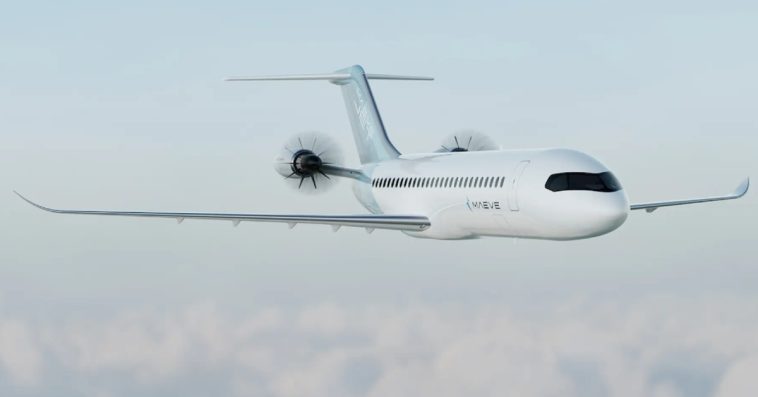
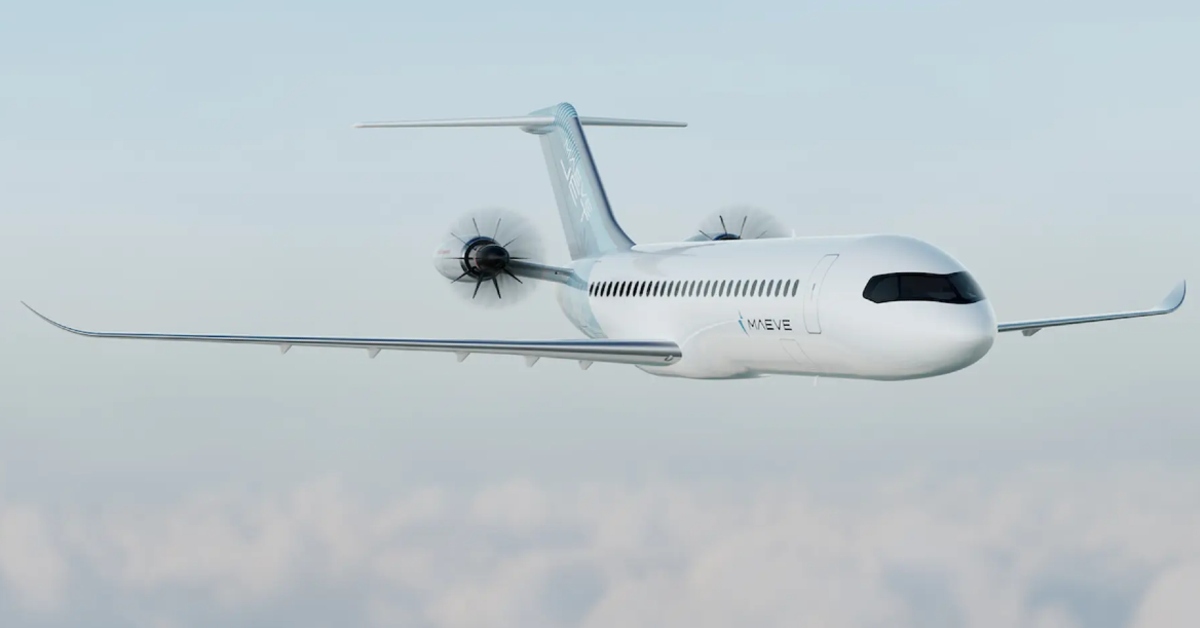
Recent moves in the aviation industry continue to capture the imagination of investors and market watchers alike. Utah-based SkyWest’s investment in Delft’s Maeve Aerospace is one of the most talked-about developments in regional jet innovation today. This partnership represents not only a financial commitment but also a shared vision for advancing aircraft design and boosting regional connectivity. In an era where aviation is evolving faster than ever, such investments serve as a testament to the market’s faith in emerging innovations where traditional models are being replaced by newer, lighter, and more efficient designs.
Over the past few years, the aviation sector has witnessed several partnerships that aim to combine expertise from different regions. SkyWest’s strategic decision to collaborate with Maeve Aerospace has caught attention because it reflects a move toward blending American market experience with European engineering ingenuity. This article takes a closer look at this investment, exploring its many implications while examining both the economic and technological aspects of aircraft innovation—especially in the realm of regional jets.
Innovation in Dutch Aerospace Design: Embracing Engineering Excellence
The Netherlands has long been known for its excellence in design and technological innovation, and Maeve Aerospace is no exception. With its Delft-based roots, the company is part of an emerging wave of aerospace startups that are working tirelessly to perfect the design of regional aircraft. Maeve Aerospace is now stepping into the limelight of the aviation world, where sea changes in aircraft construction are gradually shifting the focus toward efficiency, safety, and performance.
In a market loaded with challenges, American investors like SkyWest are drawn to Dutch aerospace companies due to their ability to address the tricky parts of modern aviation design. The company’s work on aerodynamics, weight reduction, and fuel efficiency exemplifies the fine points of innovation required to compete in an ultra-competitive market. Such development not only involves tackling the complicated pieces of aircraft systems, but also handling the subtle parts of regulatory compliance, manufacturing precision, and post-production support.
- Emphasis on fuel efficiency and reduced emissions
- Incorporation of advanced composite materials
- Integration of state-of-the-art avionics systems
- Smoothing out production challenges through innovative techniques
The Strategic Alliance: Merging Expertise and Vision
The alliance between SkyWest and Maeve Aerospace is a study in how transatlantic partnerships can yield significant advancements in technology and service. This collaboration is not just a financial transaction; it embodies a convergence of ideas from different cultures. While SkyWest brings decades of operational experience in managing regional routes, Maeve Aerospace contributes its daring, progressive approach to aircraft design.
This kind of collaboration paves the way for innovative mindsets to evolve. It encourages both organizations to figure a path through the tangled issues of modernization and the intricate balance between cost and performance. For instance, strategic investors like SkyWest are always on the lookout for ways to work around nerve-racking regulatory environments or manage your way through the small distinctions between competing technologies. Their combined efforts are set to lay the groundwork for a new generation of regional jets that promises to be leaner, smarter, and less energy-intensive.
Investment Trends in Regional Aircraft Development: Financial and Market Perspectives
Investing in aircraft innovation, especially at the regional level, has never been an off-putting notion for forward-thinking financial backers. The current economic landscape is full of opportunities for steady growth in both technology advancement and market expansion. With steady investments pouring into companies like Maeve Aerospace, the industry is set to manage its way through tricky parts that formerly hindered rapid progress.
Looking at the financial data, it is clear that the focus is not only on creating a technically efficient jet but also on establishing a robust market presence. Investors have had to get into the fine shades of market behavior, assessing factors like growing regional passenger numbers, the demand for cost-effective travel solutions, and the evolving environmental regulations. In this context, the following table summarizes some of the financial drivers in regional aircraft investments:
| Investment Aspect | Key Considerations |
|---|---|
| Research and Development | Prototyping, testing, safety certifications |
| Production Capabilities | Manufacturing scale, supply chain resilience |
| Market Demand | Passenger trends, regional growth, competitive pricing |
| Regulatory Environment | Certification hurdles, cross-border compliance |
The table above highlights how intertwined financial considerations are with technological advancements. Investors must get around confusing bits of market predictions and steer through the subtle details of regulatory environments. This dynamic forms the crux of what makes such investments both exciting and challenging.
Enhancing Regional Connectivity: Benefits Beyond the Skies
The ripple effects of investments in regional jet design extend well beyond the boundaries of the aviation industry. For regional communities, improvements in air connectivity translate directly into better economic prospects and more accessible travel options. Modern regional jets tend to be designed with fuel efficiency and reduced maintenance needs in mind – qualities that lead to lower operational costs and, ultimately, more affordable travel for the public.
Improved connectivity brings about more than just reduced travel time; it also plays a crucial role in facilitating business operations, tourism, and even emergency medical services in more remote areas. By taking a closer look at these benefits, one can see the broader economic implications. Here are some of the prime advantages:
- Enhanced regional trade and commerce
- Boost in tourism and local business growth
- Improved access to healthcare and social services
- Stronger integration with national and international markets
As regional jets become smarter and more reliable, these improvements will ensure that even smaller communities can tap into the global economy, overcoming challenges that once seemed intimidating or even overwhelming.
Synergy Between American Experience and European Innovation
One of the most noteworthy aspects of the SkyWest-Maeve partnership is its demonstration of the potential that is achieved when complementary strengths converge. American carriers like SkyWest have spent decades getting around the twists and turns of operating in a competitive, cost-sensitive market. Their experience is invaluable in ensuring that new aircraft designs are not just innovative, but also commercially viable in the real world.
On the flip side, European companies such as Maeve Aerospace are renowned for pushing the envelope in design and engineering. Their work often involves fine-tuning the nitty-gritty of aerodynamic performance, structural integrity, and environmental sustainability. The collaboration between these two entities creates a bridge between robust operational know-how and cutting-edge technological development, a synergy that, if sustained, could rewrite the playbook for regional air travel.
A brief comparison of the strategic advantages of the two partners is captured below:
| Aspect | SkyWest’s Contribution | Maeve Aerospace’s Offerings |
|---|---|---|
| Operational Knowledge | Efficient route management and cost control | Engineering designs tailored for performance |
| Market Insights | Understanding of passenger trends and demand | Innovative responses to safety and environmental standards |
| Risk Management | Experience in regulatory navigation and crisis handling | Ability to design systems that preempt operational glitches |
This table clearly shows how the combined strengths essentially form the foundation for strong, future-proof products. Their shared focus is to create a regional jet that is not only efficient technologically, but also reliable and cost-effective for the market at large.
Overcoming the Complicated Pieces in Aircraft Innovation: Technology and Beyond
Developing a new regional jet is akin to solving a puzzle where every piece is essential. The journey from initial design to a fully certified aircraft is dotted with twists and turns that require a deep understanding of both technology and market dynamics. Investors and engineers alike must figure a path through a maze of challenges – from environmental regulations to production scalability – all while ensuring that each small distinction contributes positively to the project’s overall viability.
One cannot ignore the nerve-racking issues that arise during certification processes, production trials, and market testing. However, by focusing on each fine detail and taking a closer look at the requirements at every step, companies can mitigate risks and enhance the reliability of the finished product. The process involves:
- Addressing stringent safety certifications
- Incorporating innovative design elements without compromising structural integrity
- Overcoming manufacturing hurdles in production scaling
- Ensuring that the finished product meets market demands and user expectations
By sorting out these tangled issues and managing your way through countless tests and audits, the industry is slowly but surely setting the stage for a new generation of regional jets that add value both economically and technologically.
Bridging Investment and Technology: Economic Implications for the Aviation Sector
A key element of this evolving landscape is the intertwining of investment trends with technological breakthroughs. When financial powerhouses like SkyWest decide to back companies like Maeve Aerospace, it sends a clear message to the market: innovation within the aviation sector is not just achievable, but it is also positioned to deliver substantial returns.
Investors today are not merely looking for short-term gains; they are increasingly focusing on future-proof technologies that are capable of weathering turbulent market conditions. The following key points outline why such partnerships are critical for the sector:
- They mitigate the nerve-racking risk of investing in unproven technology by combining proven operational strategies with new design innovations.
- They encourage cross-border collaboration, which often results in better-aligned solutions to global challenges such as emissions and fuel efficiency.
- They create a platform where knowledge exchange can occur, making it easier to figure a path through regulatory challenges and market uncertainties.
This strategic combination of investment and technology has a ripple effect that extends beyond individual companies. It raises the overall benchmark for performance and safety in the aviation sector, compelling competitors to step up their game while providing passengers with better and cost-efficient travel options.
Managing Your Way Through Tricky Regulatory and Market Challenges
One of the less glamorous, but absolutely necessary, aspects of aircraft development lies in managing the various regulatory and market hurdles that come into play. For many investors and industry insiders, the regulatory framework can seem intimidating and off-putting. However, by getting into the subtle parts of regulatory compliance, companies can reduce many of the unpredictable challenges associated with large-scale aircraft development.
Here are some of the key areas where companies need to steer through the tangled issues:
- Certification Processes: Navigating through multiple layers of aviation safety regulations without compromising on innovation can be a nerve-racking process.
- Environmental Regulations: Designing an aircraft that meets the ever-increasing demands for reduced emissions and enhanced fuel efficiency is critical.
- Market Competition: Competing not just against established players but also new entrants demands a balance between cost efficiency and technological innovation.
By peeking into each of these factors and finding a path that aligns regulatory demands with technological possibilities, companies are carving a space in a market that is full of unexpected challenges. These careful considerations underscore the need for investment in research and development as a key driver for success in the highly competitive world of aviation.
Future Prospects: Paving the Way for Sustainable and Efficient Air Travel
As the industry continues its quest for greener and more efficient aircraft, the partnership between SkyWest and Maeve Aerospace stands as a harbinger of future possibilities. With global awareness increasing around the need to reduce carbon footprints and optimize fuel use, the development of advanced regional jets is more than a passing trend—it is the future of sustainable air travel.
Future prospects in the industry will hinge on the ability to integrate green technology with advanced digital systems for flight management, predictive maintenance, and customer service enhancements. By taking the wheel in their respective areas of expertise, both American and European partners can help set new benchmarks when it comes to reducing operating costs while also enhancing travel efficiency. The benefits are many:
- Lower overall emissions as newer technology takes hold
- Reduced operational costs leading to more affordable airfares
- Enhanced reliability through advanced predictive maintenance algorithms
- Improved passenger experience thanks to comfort and streamlined services
This forward-thinking approach points toward a future where regional air travel is not only more efficient but also more sustainable. As companies invest in environmentally friendly solutions and adopt digital innovations across their operations, the next generation of regional jets is expected to be a milestone in combined technology and sustainability efforts.
Charting a Course: Real-World Implications of the SkyWest-Maeve Deal
The SkyWest and Maeve Aerospace deal holds significant real-world implications for various stakeholders, including investors, consumers, and regulatory bodies. From an investor perspective, the deal is seen as an encouraging sign that traditional and innovative players can come together to redefine an entire sector. For consumers, particularly those in regions that rely on smaller aircraft for connectivity, it could mean improved and more frequent flight services with the promise of enhanced safety and better fuel economy.
Moreover, from a regulatory standpoint, such collaborations can provide critical insights into the practical applications of new design methodologies. This, in turn, can influence future regulations to be more accommodating of innovative technologies while ensuring safety standards are upheld. The key takeaways for the industry include:
- The importance of robust partnerships in overcoming intimidating regulatory challenges
- A move towards integrating market-tested strategies with emerging technologies
- The potential for significant cost savings that can be passed on to the consumer
- A model for future transatlantic collaborations in the aerospace sector
By combining proven flight operation expertise with state-of-the-art aerospace design, the SkyWest-Maeve collaboration is setting a blueprint for future deals in the aviation industry. Its success will likely open doors to even more ambitious projects aimed at reshaping the face of regional air travel.
Conclusion: The Road Ahead for Regional Jet Innovation
In conclusion, the recent investment by SkyWest in Maeve Aerospace is a landmark moment that encapsulates several of the core themes facing the aviation industry today. It showcases the potential of combining operational know-how with the creative engineering that is emblematic of Dutch aerospace design. Amid all the tricky parts and off-putting regulatory hurdles, this partnership is a reassuring reminder that progress is not only necessary but also achievable.
By embracing technological innovations and working through the tangled issues of certification and market pressures, both companies appear well-positioned to spearhead the next generation of regional jets. Their collaborative approach, which merges American efficiency with European engineering ingenuity, promises significant improvements in flight operation efficiency, environmental sustainability, and customer experience.
As stakeholders across the sector keep a close eye on this development, the broader aviation community can expect a cascade of innovations that will reshape not only regional travel but also the wider air travel ecosystem. Investors, policy makers, and industry insiders are all watching closely to see how these developments translate into operational successes and market growth.
In the ever-evolving landscape of the aerospace sector, calculated risks like these are a key indicator that the future of air travel is being sculpted by smart investments and collaborative ingenuity. While the road ahead may be full of challenging twists and turns, the combined expertise of companies like SkyWest and Maeve Aerospace provides a promising roadmap for achieving sustainable and efficient air travel for the years to come.
Originally Post From https://siliconcanals.com/maeve-aerospace-raises-funds-from-skywest/
Read more about this topic at
AE Industrial Partners, LP – Aerospace Private Investment Firm
Top 5 Most Active Aerospace & Defense Private Equity …