
Rethinking Construction Project Planning in a Digital Age
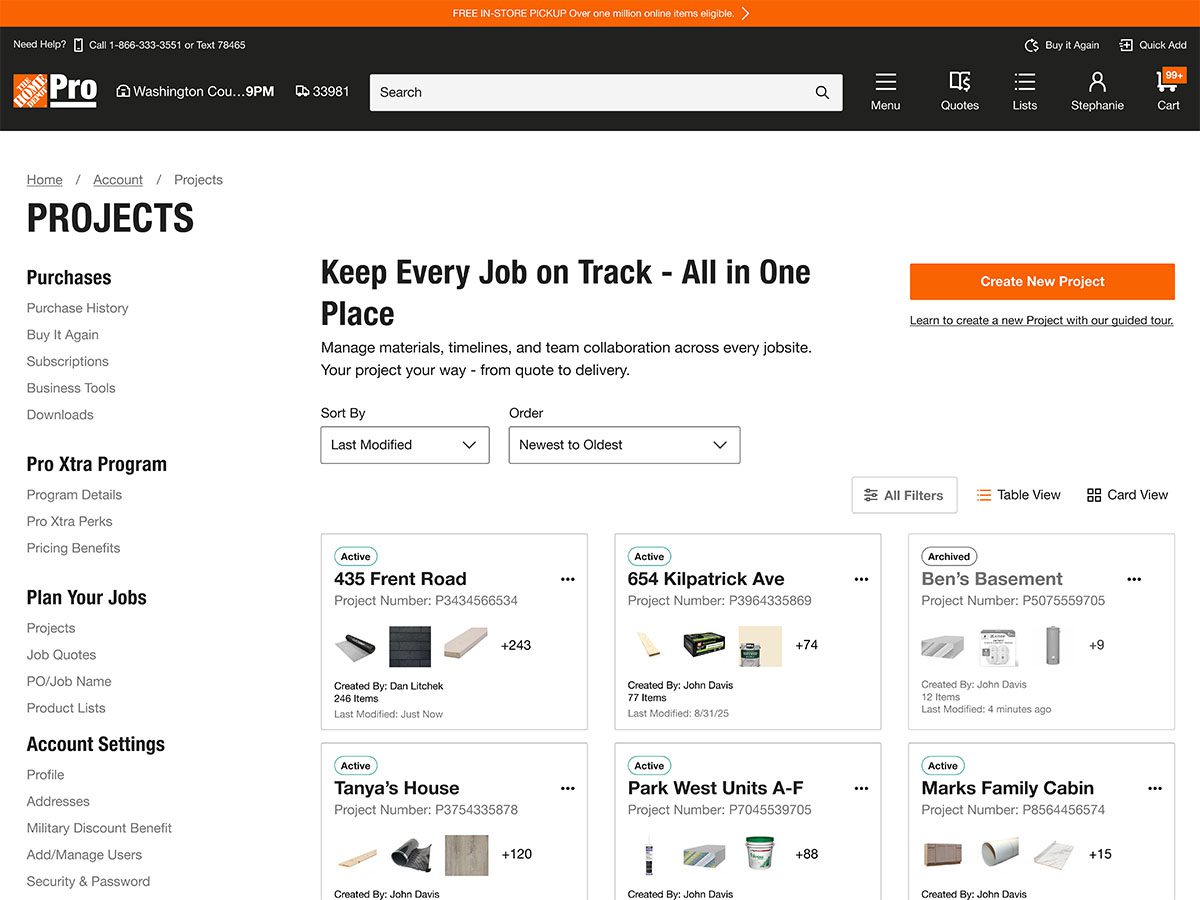
The construction industry is in the midst of a significant transformation, where digital tools are reshaping long-held work processes. Home Depot’s new Project Planning tool is a perfect example of how technology can make complicated pieces of project management more manageable. This digital platform is designed to bring together every step of the project process—from building materials lists, order tracking, and delivery scheduling to real-time collaboration between teams. In this opinion editorial, we take a closer look at this innovative tool and explore how modern digital solutions are redefining construction project management.
At its core, Home Depot’s Project Planning tool creates a comprehensive digital workspace that integrates Home Depot’s full range of products. The platform is aimed at professional contractors, remodelers, and tradespeople across the construction spectrum, including those in equipment rental, concrete, asphalt, pavement technology, business infrastructure, and even workwear. By consolidating these functions into one centralized location, the tool helps project teams figure a path through the tangled issues of planning and execution, making the integration of material management, order tracking, and team collaboration as seamless as possible.
Streamlining Materials List Creation for Construction Projects
A critical feature of any construction project planning tool is the ability to manage materials lists effectively. One of the key innovations in Home Depot’s tool is its emphasis on detailed materials list creation.
Detailed Materials List Management and Template Use
For professionals dealing with tricky parts like planning materials for multiple phases of a project, the ability to build and organize comprehensive materials lists is a game changer. The tool allows users to categorize materials by phase, room, or category, meaning that every construction or remodeling project can be broken down into manageable components. By incorporating options to save templates, contractors can reuse information for repeat projects, reducing the nerve-racking effort involved in re-entering the same data time and again.
Some features that stand out include:
- Phase-Based Organization: Separate your material requirements by project phase to get a clear roadmap from start to finish.
- Customizable Templates: Save significant time by reusing frequently used materials lists tailored to specific types of builds.
- Detailed Categorization: Organize items by room or category, ensuring nothing is overlooked during planning.
This approach to materials list management ensures that the often confusing bits of planning are simplified, and that every project starts with a clear vision of required supplies. As construction projects become more complex, having a structured, digital list lets teams narrow down the fine points and small distinctions which could otherwise lead to delays or misunderstandings on site.
Enhancing Order Tracking and Custom Delivery Preferences
Another critical area where digital tools prove their worth is in order management and logistics. The traditional process of tracking orders and managing deliveries can be intimidating and off-putting for many professionals. However, Home Depot’s integrated order tracking system is designed to smooth over these twists and turns.
Integrated Order Tracking System
The order tracking feature offers a consolidated view of all transactions, ensuring that teams can easily follow the status of orders and updates on deliveries in real time. The integration of this feature into a broader digital workspace means that decision-makers are less likely to be caught off guard by delivery issues or order mishaps.
Key benefits include:
- Real-Time Updates: Stay informed with live notifications on order status and estimated delivery times.
- Consolidated View: Keep track of all orders in one centralized dashboard, mitigating the risk of lost or delayed information.
- Predictive Assistance: Early insights help project managers make better decisions regarding resource allocation and client communications.
The addition of custom delivery preferences further refines this process. Contractors can set site-specific instructions, designate business hours for drop-offs, and communicate essential details to ensure that deliveries occur without a hitch. By addressing these little details through a centralized digital process, teams are able to steer through the maze of logistics with significantly less friction. This is a much-needed upgrade in an industry where even small order delays can have a domino effect on project timelines.
Boosting Multi-User Collaboration and Team Coordination
One of the most empowering aspects of digital project planning is the ability to foster real-time multi-user collaboration. In dynamic work environments—where multiple teams and subcontractors are often at play—it can be challenging to keep everyone on the same page. Home Depot’s solution addresses this by merging all stakeholders into a single collaborative platform.
Real-Time Collaboration for On-Site and Off-Site Teams
In today’s construction environment, teamwork is critical. Whether you’re located on different job sites or working remotely, having a digital space that allows for instantaneous communication helps mitigate those confusing bits and makes the setup less overwhelming. The tool enables:
- Live Collaboration: Allowing teams to work together in real time and update project details as they evolve.
- Shared Invoicing and Scheduling: Ensure all parties are synchronized on delivery dates, job schedules, and material needs.
- Integrated Support: Direct access to Home Depot support staff reinforces the collaborative process with expert guidance.
This seamless integration of collaboration tools not only simplifies project management but also creates an environment where the nerve-racking task of managing multifaceted projects becomes more structured and efficient. As more companies adopt these digital solutions, the traditional challenges of multi-user project coordination are slowly being replaced with a more unified and transparent approach.
Integrating Digital Project Platforms into Existing Business Infrastructure
The modern construction professional needs tools that integrate into various aspects of the business infrastructure. The Home Depot Project Planning tool is constructed to work alongside existing systems—a vital quality for contractors who want to manage all facets of their operations seamlessly.
Seamless Integration with Broader Business Systems
Many contractors operate in environments that are already loaded with other business management tools, whether in accounting, inventory tracking, or workforce planning. The ability to integrate a digital workspace into these established systems is key. The new tool does just that by syncing with Home Depot’s extensive product assortment and incorporating features such as inventory visibility and pricing insights early in the project planning process.
Several integration highlights include:
- Inventory Visibility: Gain early insights into product availability that help sharpen client estimates.
- Pricing Transparency: Make accurate and timely decisions by having access to real-time price updates across all product categories.
- Data Consolidation: Merge information from supply chain management, invoicing, and project tracking systems to see the complete picture.
Being able to find your way through the many interlocking parts of a construction project is super important. By bringing all necessary information into a single digital workspace, the process of getting around and managing these tasks becomes far less nerve-racking, paving the way for more predictable project outcomes.
The Role of Digital Platforms in Equipment Rental and Construction Technology
The shift towards digitally enhanced project management extends well beyond project planning alone. It touches on broader aspects of the construction industry, including areas like equipment rental, concrete production, asphalt laying, and pavement technology. Across the board, digital platforms are starting to become a must-have in the race to improve efficiency and reduce downtime.
Modernizing Equipment Rental and Equipment Monitoring
Equipment rental has long been a cornerstone of construction operations. With heavy machinery and complex tools already in play, managing maintenance schedules and machine usage manually can be one of the more intimidating aspects of keeping a project on track. However, new digital innovations are changing the landscape.
Advancements in equipment monitoring now allow contractors to:
- Track Utilization: Monitor usage and performance metrics from mixed branded fleets through a single dashboard.
- Maintenance Alerts: Receive notifications when machinery requires maintenance, which helps to prevent unexpected breakdowns.
- Monitor GPS and Laser Data: Leverage technology such as machine grade control, GPS, and laser tools to maintain high levels of accuracy on site.
These advancements not only streamline operations but also minimize the daunting task of overseeing large amounts of expensive machinery. The centralization of equipment data means that project managers can find their way through the many interdependent tasks with greater ease, easing the tension that is often associated with such responsibilities.
Advances in Asphalt and Pavement Technology
The construction field is also benefiting from improvements in asphalt and pavement technology. Digital tools are now available that allow users to track the progress and quality of pavement projects in real time. This capability leads to more predictable outcomes and enhances the efficiency of work on the ground, turning what once were confusing bits into well-organized tasks.
Some key benefits include:
- Quality Assurance: Real-time data collection and AI integration help detect issues early in the pavement laying process.
- Performance Monitoring: Detailed tracking ensures that materials are used efficiently, reducing waste and costs.
- Enhanced Safety: By aligning digital data with on-site progress, contractors can promptly address any potential safety concerns.
By integrating digital reporting tools into asphalt and pavement projects, the industry is moving toward a future where the cumbersome practice of manual data collection is replaced by proactive, technology-driven approaches. This digital transformation means that even the fine details of pavement technology are brought into sharper focus, allowing for improved standards and project outcomes.
Incorporating AI and Machine-Grade Control Tools into the Construction Workflow
Another exciting development in the world of construction technology is the increasing role of AI and machine-grade control tools. While the Home Depot Project Planning tool may not currently incorporate AI-driven features itself, its introduction is part of a broader trend toward digital transformation that includes artificial intelligence, automated reporting, and simulation-based training.
Leveraging Artificial Intelligence for On-Site Intelligence
AI is already making waves in construction by offering enhanced jobsite intelligence that helps contractors unlock safety improvements, increase overall efficiency, and deliver better return on investment. With AI-enabled monitoring tools, teams can now:
- Analyze Visual Data: Turn raw visual input into actionable insights that pinpoint safety hazards and performance issues on site.
- Improve Safety Protocols: Use data-driven insights to establish safer practices and reduce downtime caused by accidents.
- Boost Efficiency: Anticipate bottlenecks or delays before they become an issue, allowing for proactive adjustments in project plans.
This kind of technology addresses the tricky parts of on-site management by providing a constant stream of actionable data, ultimately making the job less nerve-racking for field teams who need to keep a close eye on multiple moving parts. In an industry where every minute counts, having AI generate early reports or create 3D model alignments can really change the game.
Simulation-Based Training: Preparing Teams for the Future
Beyond AI, simulation-based training offered by companies like CM Labs is helping operators of heavy machinery—such as excavators, dump trucks, and dozers—train in a shared virtual environment. This method not only increases operator competency but also reduces the off-putting reality of on-site accidents and machine misuse.
Simulation-based training offers several key advantages:
- Risk-Free Environment: Trainees can learn through realistic scenarios without the risk of actual on-site mishaps.
- Team Coordination: Multiple operators can train simultaneously, fostering better communication and coordination in real-world situations.
- Performance Feedback: Instant feedback on performance helps trainees quickly digest fine points and little twists in machine handling and operational procedures.
Such technological advances help the industry tackle the nitty-gritty of modern heavy equipment operation, ensuring that employees are better prepared to manage tasks that are full of problems. The move toward integrated, simulation-based training is yet another step in making high-risk tasks less intimidating, while also driving efficiencies that can benefit the bottom line of many construction firms.
Addressing the Tricky Parts of Digital Transformation in Construction
Even with the many benefits that digital platforms provide, it’s important to recognize that the path to fully embracing these technologies is not always straightforward. There are several tangled issues that construction professionals must work through in order to harvest the rewards of digital transformation.
Adapting to New Digital Workflows
For many seasoned contractors, the transition to digital project management can feel overwhelming. It requires the implementation of new workflows, the training of staff, and often a complete rethinking of traditional methods of operation. However, the benefits far outweigh the temporary challenges during the learning curve.
Some of the confusing bits that teams encounter include:
- Overcoming resistance to change among long-time employees.
- Integrating existing legacy systems with modern digital platforms.
- Managing the initial costs and learning curves associated with new technology.
Addressing these issues starts with fostering an organizational culture that is open to innovation. By hosting training sessions, creating pilot programs, and gradually phasing in new digital tools, companies can make the shift less off-putting. A critical part of the process is ensuring that any new system is not used in isolation, but instead is well integrated with existing technologies and business infrastructure.
Ensuring Data Security and Privacy
With the rise of cloud-based project planning tools, ensuring data security and privacy has become a must-have component of any digital platform. Contractors need to be confident that the sensitive project data, client information, and even employee details they store and exchange through these tools are well-protected from cyber threats.
Key considerations include:
- Robust Encryption: Using state-of-the-art encryption protocols to safeguard data in transit and at rest.
- Regular Security Audits: Committing to frequent audits and compliance assessments to ensure data integrity.
- Access Controls: Implementing multi-factor authentication and strict user access policies to prevent unauthorized access.
While these security measures may seem like additional twists and turns in an already complicated process, they represent an essential layer of protection. It is critical for companies to stay ahead of any vulnerabilities, ensuring that the digital transformation journey remains safe and sustainable for all stakeholders.
Expanding the Digital Ecosystem in the Construction Industry
Home Depot’s Project Planning tool is just one part of a broader digital ecosystem that is rapidly evolving in the construction space. Other industry leaders are making significant strides in integrating technology into various segments of construction, whether it’s monitoring equipment usage, enhancing jobsite intelligence with AI, or simplifying project bidding and collaboration processes.
Integration with Complementary Digital Platforms
In addition to order tracking and materials management, there is a growing ecosystem of tools designed to help contractors manage every aspect of a project. Some of these include:
- Platforms for Equipment Rental: Systems that allow fleets to be tracked in real time, ensuring machines are available when needed and maintenance is conducted on schedule.
- Construction Cloud Solutions: Integration with cloud-based systems that store project data centrally and accessible from any location.
- Specialized Apps for Labor Management: Tools that manage work schedules, personnel, and even workwear logistics to keep on-site teams operating smoothly.
This ecosystem provides contractors with a comprehensive digital network that supports all aspects of construction management. For example, by integrating advanced inventory management with real-time order updates, project teams can take a closer look at every detail—from budget forecasts and invoice processing to supply chain communication—all while reducing those nerve-racking last-minute surprises. Ultimately, these systems are evolving from standalone applications into a well-connected web of productivity tools that serve every facet of a modern construction enterprise.
Emphasizing the Future Benefits of Digital Project Planning
The benefits of incorporating digital project planning tools within the construction sector are manifold. Not only do these platforms help contractors streamline the planning process and stay organized, but they also empower teams to work through many of the tricky parts and hidden challenges associated with complex construction projects.
Reducing Downtime and Eliminating Bottlenecks
One of the most significant advantages of digital project planning is the reduction of downtime. With real-time updates and integrated order tracking, project managers can quickly identify and resolve issues that occur on-site. This proactive approach leads to:
- Fewer Delays: With real-time data and alerts, challenges such as scheduling conflicts or delayed shipments are addressed immediately.
- Efficient Resource Allocation: Better planning enables teams to assign tasks more strategically, minimizing idle time.
- Enhanced Communication: When every team member is on the same page, pinpointing and resolving issues becomes much less overwhelming.
This means that not only can projects be completed more efficiently, but contractors also enjoy reduced overheads and improved client satisfaction. Over time, embracing digital project planning could lead to industry-wide shifts in how work is scheduled and managed, making the process smoother for everyone involved.
Supporting Sustainable Construction Practices
The shift toward digital planning tools also supports initiatives for more sustainable construction practices. Precise ordering and careful tracking of materials minimize waste, and real-time communication ensures that projects are continuously optimized. With better information at hand, teams can make more eco-friendly decisions—from reducing excess inventory to planning power usage more carefully on-site.
This digital precision not only benefits the bottom line but also helps construction firms meet newer environmental standards. When the hidden complexities of scheduling and resource allocation are managed effectively, the overall ecological footprint of a project can be significantly reduced. This is increasingly important in a world where sustainability is becoming a critical part of business infrastructure and public policy.
A Look Ahead: The Future of Construction Technology
The construction industry is clearly in a state of transformation. While Home Depot’s Project Planning tool is a recent and exciting development, it is part of a much larger trend of digital innovation in the field. As more companies adopt interconnected digital platforms, the way that projects are planned and executed is poised to change dramatically.
Anticipating Future Integration and Innovation
Looking forward, we can expect to see even deeper integrations between digital project planning tools and other key areas of construction, such as:
- Advanced Analytics: Utilizing big data and complex algorithms to predict potential obstacles before they occur.
- Enhanced Mobile Access: Enabling on-site teams to access project data from any device, making real-time updates even more efficient.
- Seamless Third-Party Integrations: Collaborations between different tech providers that ensure a fluid, interconnected user experience across all platforms.
These innovations will help to further reduce the intimidating aspects of managing large-scale construction projects. By allowing teams to dig into nuanced details and manage the finer points of jobsite logistics, the entire industry stands to benefit from significantly smoother project execution and reduced overheads.
Conclusion: A Balanced Perspective on Digital Transformation
Overall, Home Depot’s digital Project Planning tool represents a key milestone in modernizing how construction projects are planned and managed. It is a tool that seeks to unburden professionals from the confusing bits of traditional methods and to replace them with a clear, integrated, and real-time digital workflow.
Yes, the road towards full digital transformation is loaded with challenges—from adapting legacy systems, securing sensitive data, and training teams to manage new platforms. However, these are temporary hurdles on the path to greater efficiency, reduced waste, and improved project outcomes. By embracing these innovative solutions, contractors can not only manage the tricky parts of project planning with greater ease but also position themselves as forward-thinking leaders in an industry ripe for change.
At the end of the day, the integration of advanced digital tools—whether it’s through reliable order tracking, precise delivery scheduling, or effective multi-user collaboration—plays a critical role in ensuring projects remain on schedule and within budget. For the construction professional, finding your way through the twists and turns of modern project management has never been more achievable. Home Depot’s tool is just one of many steps toward building a future where construction is both highly efficient and remarkably streamlined.
In a world where the fine points and the little details can make all the difference, digital project planning platforms like this one not only simplify the process but also empower teams to take complete control of their work. As we look towards the future, the evolving digital landscape promises even more robust solutions—tools that will continue to address the tangles and nerve-racking moments frequently encountered on job sites. Ultimately, by embracing these advancements, the construction industry is set to build a more connected, efficient, and sustainable tomorrow.
For now, the implementation of platforms like Home Depot’s Project Planning tool offers a promising glimpse into what lies ahead. The journey is far from over, but every step taken toward digital integration takes us closer to an era where traditional construction challenges are replaced by smart, streamlined processes. As the industry continues to adopt and refine these technologies, professionals can look forward to a new age of efficiency—one where strategic innovation and technological breakthroughs serve as the foundation for success.
Whether you are managing a small-scale renovation, overseeing a multi-million-dollar infrastructure project, or simply looking to modernize the myriad aspects of construction work—from equipment rental and materials planning to real-time collaboration—embracing digital tools will be an essential part of the journey. The future is here, and it is digital, interconnected, and designed to make even the most intimidating projects feel a whole lot more manageable.
As an industry, we have the unique opportunity to shape how technology transforms our work. With every new tool and integration, we are not only addressing the tangled issues of the past but also forging a path towards a more innovative, efficient, and sustainable future for construction. Let this be a call to action for all professionals in the field: now is the time to adopt new digital systems, invest in advanced training, and continually seek out solutions that demystify the complicated pieces of project management, ensuring that our industry remains vibrant, agile, and ready for the challenges ahead.
In conclusion, the digital revolution in construction—exemplified by tools like Home Depot’s Project Planning platform—signals the dawn of a new era where boundaries are pushed, and every aspect of project management is optimized for efficiency and clarity. With clear benefits ranging from real-time collaboration to integrated order tracking and advanced materials management, the future of construction looks both promising and transformative. By working through the tricky parts, the hidden details, and the seemingly overwhelming challenges with determination and the right digital tools, the industry is indeed poised to take the wheel and drive toward a brighter, more organized future.
Originally Post From https://www.forconstructionpros.com/construction-technology/project-management/article/22951204/the-home-depot-the-home-depot-launches-digital-project-planning-tool-for-construction-pros
Read more about this topic at
8 Steps To Clear, Streamlined Processes & Workflows
5 Phases of Project Management Process: A Complete …

